How to Start Selling Beats as a Beginner
Beginner path to selling beats: finish record-ready instrumentals, set MP3/WAV/trackout leases, choose one checkout, upload type beats, and capture email without overcomplicating week one.
You do not need a label email, a viral beat, or a $3,000 plugin chain to start selling beats as a beginner. You need finished files an artist can record on, licenses humans can read, a place to pay, and a habit that puts those beats in front of buyers.
I am going to walk the first week like I would over coffee. Not a five-year business plan. Full loop after you launch: how to sell beats online.
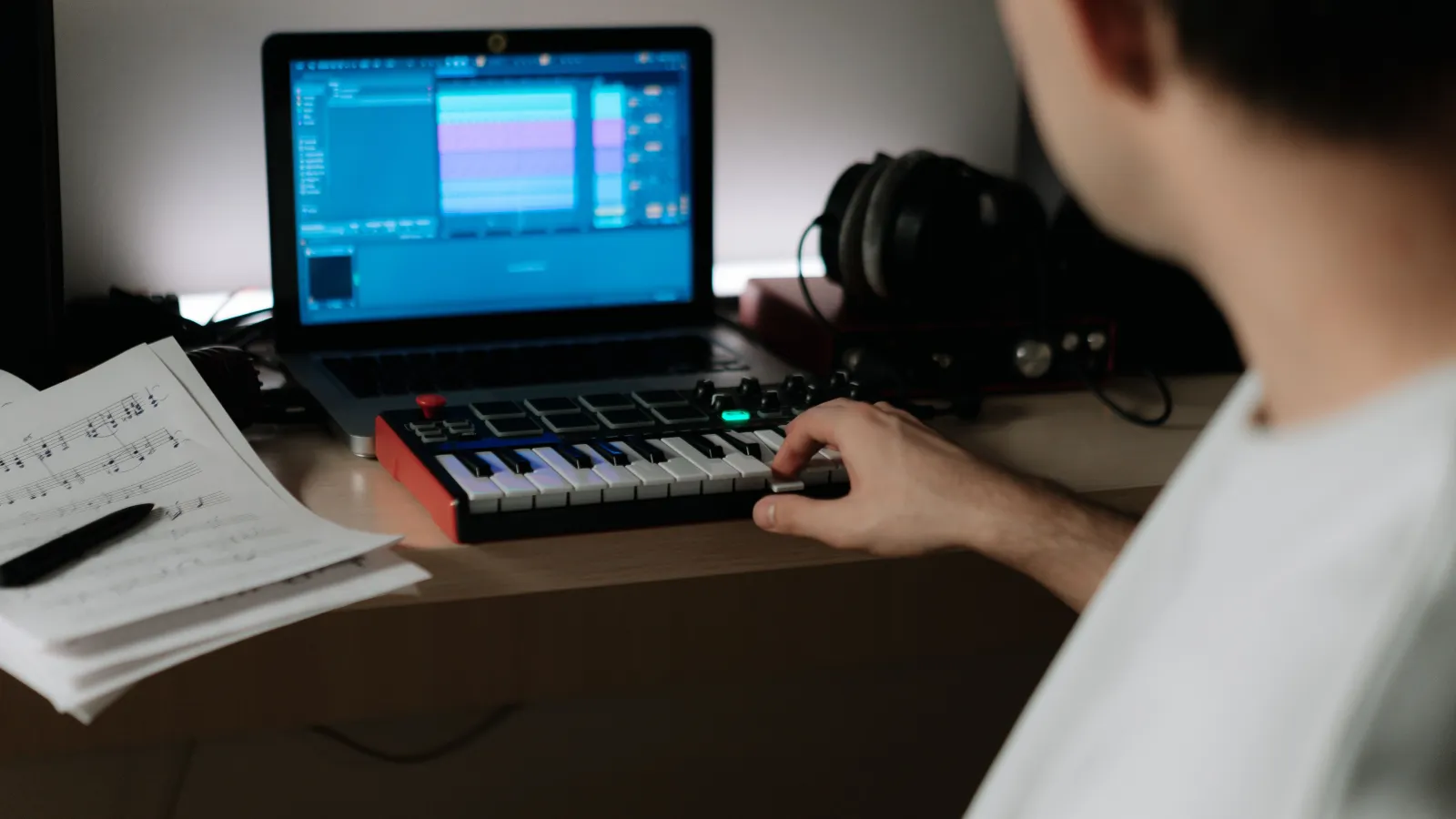
Ready to sell is not “perfect”
Beginners stall on polish buyers never hear. Ship when the beat has a clear hook in the first few seconds of the preview, loudness is consistent across your catalog, BPM and key are listed, and you can deliver MP3 (ideally WAV / trackout) without scrambling.
Five strong, finished instrumentals beat twenty sketches. Grow toward 15-40 so a stranger browsing for five minutes finds a mood that fits.
Target for the first stretch: about 15 finished beats, three lease tiers plus an exclusive option, one checkout URL, and a YouTube schedule you can keep for 90 days. Everything else is optional decoration.
Pick a lane before you pick a platform
Early catalogs that try trap, boom bap, afrobeat, and cinematic in one week confuse buyers and your own marketing. Choose a primary lane you can finish weekly. Add a second mood after the first shelf sells. Name beats so search and skimming work: mood plus feel, not only inside jokes.
Write the licenses before you upload
Confused rights kill trust. On every product, publish something like: MP3 lease (entry non-exclusive, limited distributions), WAV lease (higher quality, higher caps, often your volume default), trackout / stems (for artists who mix seriously), exclusive (one buyer; remove from lease catalog when sold).
Vocabulary: beat licensing explained and beat leasing explained. Pricing: how to price beat licenses. Starter bands many beginners use: MP3 roughly $25-$40, WAV $50-$75, trackout $100-$200, exclusive from about $300+. Adjust when you have proof.
One primary checkout (seriously)
Do not open five marketplace profiles on day one. Pick one marketplace if you want artist habits immediately, or your own store if you want margins and email from the start. Compare options in where to sell beats online.
Many beginners add hybrid later: YouTube plus owned checkout, marketplace optional. Roqstar gives you a branded store with instant downloads. See pricing when you are ready.
Put the prices on the page
Hiding prices behind DMs feels “pro.” It converts like a locked door. Publish the ladder. Anchor the middle tier so WAV feels like the sensible default. Raise exclusives when placements and demand show up, not when you feel insecure.
Then feed it traffic
YouTube is still where a lot of lease intent lives. Title pattern that ages okay:
[Artist] Type Beat | [Mood/Subgenre] | "Beat Name"
Lease link in the first line of the description. BPM, key, 10-15 useful tags. Consistency for months beats one “perfect” upload. Short-form can tease; send people to the same checkout URL.
Tagged freebies and free-for-non-profit packs should trade for an email. Clear limits in writing. Pair free with paid leases so you do not train “everything is free forever.”
Week-one checklist
Before you expect a sale
Finish product, then feed it traffic.
- At least 10-15 finished beats with previews, BPM, and key
- MP3 / WAV / trackout + exclusive copy published
- One primary store or marketplace URL
- Prices visible on every product page
- First type beat uploaded with lease link first in the description
- Freebie path that captures email (optional, but worth it)
What usually goes wrong
Selling unfinished loops: artists bounce, then silence. Racing to $5 leases: trains disposable pricing (see the pricing guide above). Only free type beats: lead magnets need a paid ladder beside them. No exclusive process: when someone asks to buy out, you panic. Read how to sell exclusive beats before that DM lands. Ghosting after one upload: catalogs compound; one post does not.
Most beginner income is non-exclusive leases. Exclusives are the high ticket that removes the beat from the shelf. Both belong on the page. Leases usually pay the rent first.
Related reading
- Can you still make money selling beats in 2026?
- Where to sell beats online
- How to sell beats online and make money
How to start selling beats as a beginner is a product loop, not a secret: finish a small catalog, publish clear leases, put prices on a real checkout, and show up weekly where artists search. Do that for 90 days before you decide beat selling “doesn’t work.”
When your first shelf is ready, put leases under your name. Start a beat store on Roqstar: branded storefront, instant download after payment. Plans on pricing.