11 Best Digital Products to Sell Online in 2026
Discover the 11 best digital products to sell online in 2026 — from courses and templates to music, memberships, and AI toolkits — plus what digital products are and how to start selling.
If you have ever wished a product could sell while you sleep — without boxes, postage, or a garage full of inventory — digital products are the closest thing most creators get to that reality. You build the file once. Buyers pay. Delivery happens in seconds. Then you improve the offer and sell it again.
That simplicity is why searches for the best digital products to sell online keep climbing. The catch: “digital” is not a niche by itself. A vague planner, a thin ebook, or a pile of generic prompts will struggle. The formats that win in 2026 are specific, outcome-shaped, and easy to understand in under a minute on a product page.
This guide explains what digital products are, why they still outperform physical goods for many solo businesses, and 11 digital product ideas worth building — with enough detail to choose one and start, not just save another list for “someday.”
What are digital products?
Digital products are goods that exist as files or gated access online. Customers receive them through download, email, a member login, or license keys — not through a shipping carrier. Common examples include ebooks, online courses, printables, templates, stock media, music and sheet music, software tools, presets, memberships, and AI-assisted kits.
They are still “products,” not free blog posts. Someone pays because the thing saves time, teaches a skill, unlocks a creative workflow, or grants access they cannot get from a random Google result. Delivery is digital; the value has to feel concrete.
You will also hear adjacent terms:
- Downloadable products — PDFs, ZIPs, audio, video packs delivered after checkout.
- Licensed content — the buyer purchases rights to use photos, footage, stems, or fonts under clear terms.
- Access products — memberships, course portals, or private libraries where the “product” is ongoing entry.
- Productized services — expertise packaged as a fixed deliverable (audit checklist, SOP pack, swipe file) instead of open-ended hourly work.
If it can be stored, delivered, and re-sold without manufacturing another physical unit, it sits in the digital product family.

Why sell digital products in 2026?
Physical ecommerce still works. It also ties cash to inventory, packaging, returns, and shipping delays. Digital products flip that equation for creators, coaches, musicians, designers, and educators:
- No inventory drag — you are not guessing how many units to stock.
- High gross margins after platform and payment fees — your main costs are time to create, tools, and marketing.
- Instant fulfillment — buyers get access the moment payment clears, which cuts support tickets and abandoned “where is my order?” threads.
- Easy bundling and versioning — add a bonus PDF, a template pack, or a member tier without redesigning a warehouse.
- Global reach — a buyer in another country can purchase at 2 a.m. without customs forms.
- Lower shipping footprint — useful if sustainability matters to your brand story.
There are tradeoffs. Free alternatives exist for almost every category. Piracy is real for popular files. Trust matters more when shoppers cannot hold the product. The answer is not “make it free.” The answer is niche clarity, strong previews, honest licenses, and a storefront people recognize as yours.
How we chose these 11 (not a padded 12)
Eleven is the stronger list length here. Twelve often means one weak filler idea. Ten can feel incomplete when the market clearly includes memberships and AI kits. These eleven map to formats buyers already pay for, can be sold from an independent store, and scale from a first launch to a catalog.
We weighted: buyer intent (people searching with purchase language), repeatability (sell more than once), creator fit (solo or small team), and room to differentiate with a narrow audience.
11 best digital products to sell online
1. Online courses and workshops
Courses remain one of the highest-leverage digital products because they package transformation, not just information. A strong course answers a specific outcome: “mix a first release,” “launch a newsletter in 14 days,” “pass this certification module.” Weak courses dump hours of video with no path.
Start smaller than you think. A focused workshop or five-lesson mini course often outsells a sprawling 40-module epic that never ships. Add quizzes, worksheets, or a private community only when they support the outcome — not because other creators have them.
Who it fits: teachers, coaches, specialists with a repeatable method.
Pricing feel: usually higher than ebooks; justify with curriculum, support, or certification.
Tip: publish one free lesson or a short preview so buyers can taste your teaching style before they commit.
2. Ebooks and practical digital guides
Ebooks still sell when they are sharper than a blog archive. Think field manuals: checklists, frameworks, annotated examples, and decisions the reader would otherwise pay a consultant to make. If your topic is already flooded with free posts, your book needs a point of view, a process, or proprietary examples — not another summary of public advice.
Formats that convert well: short strategic guides (30–80 pages), workbooks with fill-in prompts, and “playbooks” tied to a tool or niche job title. Pair an ebook with a template bonus and you often lift conversion without building a full course.
Who it fits: writers, consultants, operators who already explain things in public.
Pricing feel: accessible impulse to mid-ticket; volume matters.
Tip: name the outcome in the title (“Client onboarding playbook for freelance designers”) instead of a vague inspirational phrase.
3. Printables and planners
Print-at-home products are evergreen because people still want paper systems for budgets, classrooms, weddings, fitness, and kids’ activities. The saturated end of the market is “generic planner.” The open end is painfully specific: a tracker for a defined role, a classroom pack for a grade and subject, a ceremony timeline for a particular cultural format.
Buyers care about print quality (margins, ink-friendly colors), clarity, and whether the PDF is fillable on tablet. Offer a commercial or personal license clearly if teachers or small businesses might reuse your pages.
Who it fits: designers, teachers, organizers, niche community builders.
Pricing feel: lower ticket, higher volume; bundles raise average order value.
Tip: a free sample printable is still one of the best email list builders in this category.
4. Digital templates and workflow systems
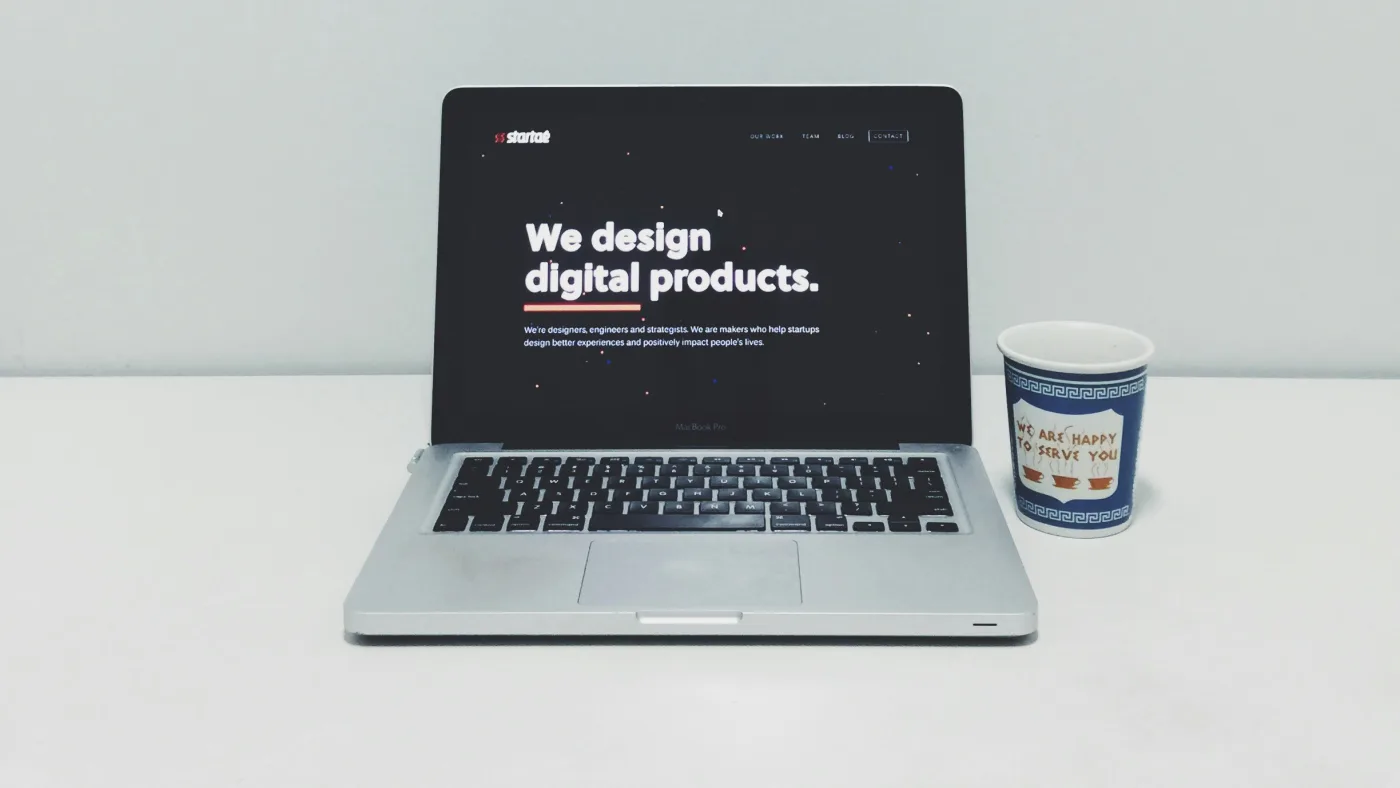
Templates win when they delete the blank page. Notion dashboards, Canva brand kits, proposal docs, pitch decks, content calendars, invoice suites, and client portal layouts all sell because the buyer wants a working starting point today.
In 2026, the templates that stand out are systems, not single files: a sales pipeline with example properties, a launch checklist linked to email drafts, a content OS with status views. Document how to use the template in a one-page PDF or a five-minute loom-style walkthrough included in the download.
Who it fits: operators, designers, marketers, productivity creators.
Pricing feel: mid-range; packs and “pro” variants work well.
Tip: show a before/after screenshot on the product page. Templates are visual purchases.
5. Licensed stock media (photos, video, audio)
Businesses and creators continuously need images, b-roll, sound effects, and music beds. Licensing your media is a classic digital product model: create once, sell usage rights many times. Niches beat generic libraries — industry-specific photography, authentic lifestyle sets, instrument-only beds for podcasts, UI screen recordings for SaaS marketers.
Protect previews with watermarks where needed, and spell out license tiers (personal, commercial, extended). Confusion about usage rights is the fastest path to refunds and angry emails.
Who it fits: photographers, videographers, sound designers.
Pricing feel: per-asset or pack pricing; extended licenses at a premium.
Tip: sell curated packs (“10 cafe laptop shots for newsletter headers”) rather than only one-off files.
6. Music downloads, stems, and sheet music
Musicians and composers have more direct-to-fan options than ever. Sell finished tracks, performance licenses, stem packs for remixers, practice loops, or engraved sheet music and arrangements. Buyers in this world care about clarity: key, tempo, instrumentation, difficulty, and what the license allows for streaming or live performance.
Sheet music especially rewards professional packaging — labeled parts, clean PDFs, and a short README. Fans who already follow your work will pay for convenience and trust on a branded store more readily than they will hunt through a marketplace grid.
Who it fits: artists, producers, arrangers, educators.
Pricing feel: singles low-to-mid; collections and sync-style licenses higher.
Tip: pair a free or tip-friendly sample score with a paid collection to build trust in your engraving quality.
7. Software tools, plugins, and creative presets
When a digital product becomes part of someone’s weekly workflow, retention and word-of-mouth improve. Think Lightroom presets, Ableton racks, Photoshop actions, browser extensions, niche calculators, or small utilities that solve one annoying job.
Support expectations are higher than for a PDF. Version notes, compatibility lists, and a simple install guide are part of the product. If you cannot commit to maintenance, sell a clearly scoped preset pack instead of promising ongoing software updates.
Who it fits: developers, power users, technical creatives.
Pricing feel: mid to high; optional subscription for updates.
Tip: a 60-second demo video on the product page outperforms another paragraph of feature adjectives.
8. Memberships and premium content libraries
Memberships turn a catalog into recurring revenue. Instead of hoping someone buys twelve separate downloads, you offer monthly or yearly access to a vault: new drops, archives, live sessions, or resource libraries. This model fits educators, niche media brands, and creators with a cadence of new material.
The membership has to feel exclusive for a reason. “Random Discord access” is not enough. Promise a rhythm — first Friday drops, seasonal packs, office hours — and keep it. Churn is the tax you pay for inconsistency.
Who it fits: creators with an existing audience and a publishing habit.
Pricing feel: monthly/annual; annual discounts improve cash flow.
Tip: let people buy a single product first, then invite them into the membership once they already trust you.
9. Productized digital services and done-for-you packs
Not every digital product is a course. Sometimes the product is your expertise compressed into a fixed deliverable: a positioning teardown template with annotated examples, a store launch SOP, a critique rubric, a swipe file of high-performing emails, or a “done-with-you” checklist kit.
This sits between freelance work and pure info products. Buyers get speed and certainty; you get boundaries. Scope the deliverable ruthlessly on the sales page so you do not accidentally reinvent hourly consulting.
Who it fits: freelancers and consultants ready to stop trading all time for money.
Pricing feel: higher than templates; lower than custom retainers.
Tip: use a short intake form after purchase if personalization is part of the pack — automate what you can.
10. AI prompt packs and AI-enhanced kits
AI did not kill digital products; it changed what buyers expect. Generic “1,000 ChatGPT prompts” packs are noisy. What sells is niche labor savings: prompts and workflows for a role (school admin, session musician, ecommerce brand manager), plus examples of good outputs and guardrails for bad ones.
Strong AI products often include more than a text file — a Notion board, a checklist for human review, or templates that plug model output into a real workflow. Position your expertise as the filter. The model is common; your judgment is not.
Who it fits: specialists who already use AI in their craft.
Pricing feel: impulse to mid-ticket; bundles with templates convert well.
Tip: show three real before/after outputs on the page. Buyers are allergic to prompt spam.
11. Digital art, fonts, and design asset packs
Illustrators, type designers, and 3D artists can sell asset libraries that other creatives drop into projects: icon sets, brush packs, seamless patterns, font families, character kits, LUTs, or scene mockups. Marketplaces are crowded; owned stores plus a clear niche (editorial collage kits, lo-fi UI chrome, worship motion backgrounds) create breathing room.
License language matters here as much as aesthetics. Personal vs commercial use, trademark restrictions, and attribution rules should be boringly obvious.
Who it fits: visual artists and design specialists.
Pricing feel: pack pricing; extended commercial licenses as upsells.
Tip: lifestyle mockups showing the assets in use sell harder than a flat grid of thumbnails alone.
Which digital product should you create first?
Pick the intersection of three things: a problem you understand, an audience you can reach without renting all your discovery from a marketplace forever, and a format you can finish in weeks — not “someday after I rebuild my whole brand.”
A practical sequence many sellers use:
- Validate with language you did not invent — read reviews, forum complaints, and client questions. Steal the wording of the pain for your sales page.
- Sell a thin version first — a short guide, a small template pack, three charts, one workshop recording. Learn what people ask after they buy.
- Productize the FAQ — every repeated support question becomes a page improvement, a bonus file, or the outline of your next upsell.
- Bundle upward — templates into a system, lessons into a course, singles into a membership.
If you cannot describe the buyer and the job-to-be-done in one sentence, the product is still a hobby file.
How to sell digital products without losing the plot
You can list digital goods on marketplaces, social storefronts, or your own site. Marketplaces help with cold discovery and take a cut — sometimes a large one. Social channels are rented land; algorithms change. An owned storefront is where pricing, branding, licenses, bundles, and follow-up email stay under your control.
Whatever channel you choose, the product page has to do heavy lifting:
- Who it is for (and who it is not for)
- What is included in the download or access
- What outcome or use case it supports
- Preview: sample pages, screenshots, audio, or a lesson clip
- License in plain language
- Refund stance you can actually honor
Instant delivery after payment is non-negotiable. Buyers of digital goods compare you to every other download they have purchased this month. Manual email attachments do not scale and they do not feel premium.
Platforms built for digital commerce — including Roqstar — exist so creators can run branded stores with downloads, licensing clarity, and room to add memberships later without duct-taping five tools together. If your audience already knows your name, owning checkout is usually worth more than chasing another marketplace ranking.
Marketing tips that fit digital products
Lead with proof, not adjectives. Screenshots, sample pages, before/after outputs, and short demos reduce the “what am I actually getting?” anxiety unique to intangible goods.
Use a free or low-ticket on-ramp. A sample printable, a mini prompt set, or a free score teaches buyers that your quality bar is real — then your paid catalog feels like an obvious next step.
Email still compounds. Marketplace traffic is rented. A list of past buyers is an asset you can tell about a new drop, a seasonal bundle, or a membership opening.
Price on specificity. Broad products race to the bottom. Narrow products compete on relevance. “Budget planner” fights everyone; “freelance tax reset kit for US sole props” fights fewer people and converts warmer traffic.
Protect without punishing. Watermark previews. Keep paid files clean. Clear licenses beat aggressive DRM theater that frustrates honest customers.
Common mistakes when selling digital products
- Launching a huge course before a small offer has proven demand
- Copying saturated generic templates without a niche angle
- Hiding what is inside the ZIP behind vague marketing copy
- Ignoring license language until a buyer asks (or misuses the file)
- Relying on a single marketplace so hard that you never own customer relationships
- Underpricing so severely that buyers assume the product is unfinished
FAQ: digital products to sell online
What digital products sell best?
Formats with clear outcomes tend to sell best: courses that teach a skill, templates that save hours, niche printables, licensed media packs, memberships with a real publishing cadence, and specialized AI or software kits. “Best” still depends on the audience you can reach.
Are digital products passive income?
They can approach passive income after creation, but marketing, support, and updates are real work. Treat “passive” as a direction — fewer marginal costs per sale — not a promise of zero effort.
Do I need a big audience to start?
No. You need a reachable audience. Ten true fans in a niche Slack group can outbuy a large indifferent following. Start where people already ask you for help.
How do I protect digital products from piracy?
Use clear licenses, watermarked previews, download limits where appropriate, and customer-friendly policies. Perfect prevention is impossible; make honest purchase the easiest path and keep improving the product so free leaked copies feel outdated.
Start with one product you can finish
The best digital product for you is the one you can ship, explain, and support. Pick a format from the eleven above, narrow the buyer until the sales page writes itself, and put checkout on a store you control. Create once. Deliver instantly. Improve from real questions. That loop — not a longer listicle — is how digital products turn into a business.
Ready to sell downloads under your own brand? Roqstar helps creators and musicians run white-label stores with instant digital delivery — so your next course, template pack, or sheet music edition reaches buyers without the shipping chaos.