How to Sell Printables & Planners Online in 2026
How to sell printables and planners online in 2026: niches that still convert, Etsy vs your own store, pricing, mockups, and a simple launch checklist.
Printables look easy from the outside. Open Canva, drop some lines on a page, upload to Etsy, wait for passive income.
Then you meet the wall of identical “undated weekly planners” in soft beige, and wonder why nobody buys yours.
Good news: people still buy printables and planners in 2026. Teachers, small business owners, new parents, wedding planners, fitness coaches — they want paper systems that fit a specific job. The saturated end is generic aesthetic. The open end is painfully useful.
Here’s a practical path: pick a niche, package it like a product, list where buyers look, and move serious sales onto a store you own.
Fast path: one niche pack (not “a whole planner empire”), clean mockups, a free sample for email, Etsy for discovery if you want it, and your own checkout for repeat buyers and bundles.
What still sells (and what doesn’t)
Struggles: another undated life planner with cute covers and vague habit trackers. You’re competing on taste against thousands of shops.
Still works: printables tied to a role, season, or headache.
- Classroom packs for a grade + subject
- Wedding weekend timelines for a specific format (elopement, multi-day, cultural ceremony)
- Freelance tax / invoice / client onboarding sheets
- Meal prep for dietary constraints (not “generic meal planner”)
- Sports team or coach binders
- Homeschool weekly grids with subject blocks
- Small-business content calendars with platform prompts built in
If you can finish this sentence — “This saves ___ from ___ every week” — you’re closer to a product than a vibe.
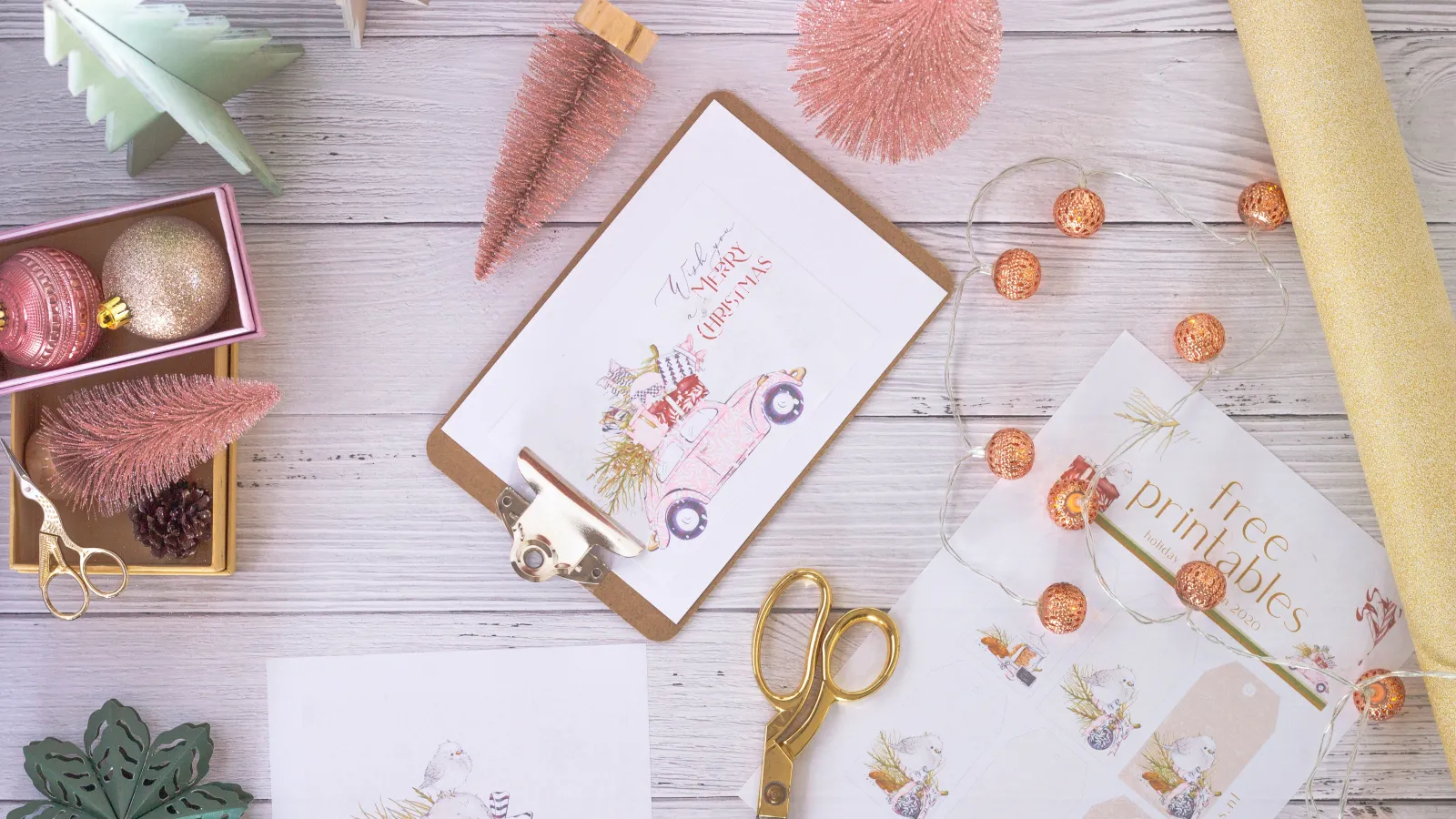
How to sell printables online in 2026
1. Pick a micro-niche before you open Canva
Steal language from real searches and reviews. Etsy autocomplete and Google “printable for…” are your friends. Read one-star reviews on popular listings — that’s a product brief sitting in public.
2. Design for print, not just for Instagram
Margins that survive home printers. Ink-friendly colors. Optional fillable PDF for iPad people. A one-page “how to print” note in the download. Boring details; fewer refunds.
3. Show the product like a store, not a flat thumbnail
Lifestyle mockups, a few real page previews (watermarked if you’re nervous), and a short list of what’s inside. “30 pages of organization magic” means nothing. “8 lesson planners + gradebook + sub binder cover” means something.
4. Price like a product
Single sheets can sit low. Full niche packs usually live more comfortably in the teens to mid-thirties; bundles higher. Racing to $1.99 trains buyers to treat you as disposable. More on ladders in our digital product pricing guide.
5. List for discovery — own the relationship
Etsy still works for printable search traffic. Fees and branding limits come with it. Use it to prove demand, then send email, Pinterest, and bio links to a checkout under your name. Same play as moving digital sales off Etsy.
Etsy, Pinterest, and your own store
- Etsy — best cold discovery for printables. Keyword titles, all tags, clear mockups.
- Pinterest — still a printable machine when pins show the page clearly and link to a real offer.
- Your store — bundles, upsells, email, brand. Instant download after payment, no “I’ll email the ZIP.”
You don’t have to quit Etsy. You do want a home base once something sells.
When you’re ready for printables under your brand — not only inside a marketplace cart — Roqstar gives you a digital storefront with instant delivery after payment.
A simple launch that doesn’t take six months
- Choose one niche and write the product title first.
- Build a small pack (8–20 pages beats an unfinished 80-page “system”).
- Export print-ready PDF + optional fillable version.
- Make 4–6 mockups and one free sample page.
- List on Etsy and/or your store; gate the free page for email.
- Ship a seasonal add-on or bundle once the first pack sells.
Before you call it a printable business
Finish the product layer, then feed it traffic.
- Niche written as audience + job (not “cute planner”)
- Print-safe PDF + what’s-included list on the page
- Mockups that show real pages
- Free sample → email path
- Owned store ready for bundles and repeat buyers
FAQ
Do I need Canva Pro or InDesign?
Canva is enough to start. Switch tools when your niche demands tighter type or complex worksheets — not before the first sale.
Are digital planners (Goodnotes / iPad) different?
Same business, different file expectations. Say clearly if it’s print-only, fillable, or hyperlinked for tablets.
Can beginners still make money with printables?
Yes — usually with niche packs and consistent listing/Pinterest work, not one viral aesthetic planner. Ranges vary; see how much digital product sellers make.
Bottom line
How to sell printables and planners online in 2026 isn’t mysterious: niche hard, design for printers, show the pages, price like a product, and don’t leave every customer inside a marketplace forever. Generic pastel had its moment. Useful systems still get bought.
Ready to sell the paid pack under your brand? Start on Roqstar — instant download after payment, built for digital creators.