Are Sample Packs Dead? How Artists Still Sell Them in 2026
Sample packs aren't dead, anonymous ones are. How artists sell sample packs in 2026: niche, licensing, demos, own store, content, email and memberships.
Short answer: no, sample packs aren't dead. Anonymous sample packs are. A folder of generic kicks and loops with no name behind it now competes with AI sound generators and subscription libraries that charge a monthly fee for millions of sounds. A pack from an artist whose sound people actually want still sells, and it sells best when that artist owns the store, the buyer list and the next release.
This guide covers what changed, who still sells packs and why, and a step-by-step plan for selling sample packs in 2026. If you've never sold a pack before, start with our complete beginner's guide to selling sample packs online, then come back here for the strategy.
Why people say sample packs are dead
The question isn't coming from nowhere. Plenty of producers who sold kits comfortably a few years ago are seeing slower launches. In a recent livestream clip, producer LDreTv answered the question "how would you sell sample packs if you were starting over?" honestly: his own store "is not doing numbers", his best-selling drum kit series still earns but not like before, and he named the reasons he sees.
Video: "Nobody's Buying Sample Packs Anymore... Unless You Do This" by LDreTv on YouTube.
His three reasons line up with what a lot of sellers describe:
- Subscription libraries. Producers can browse a huge catalog of sounds for about $10 a month, as he puts it. When any snare is one search away, a $30 pack of generic snares is a hard sell.
- AI sound generation. Plugins and tools that generate drums, textures and loops on demand keep getting better. Generic one-shots are exactly what they're good at.
- No content, no sales. He stopped making producer tutorials, and his pack sales dropped with them. Content was his marketing.
None of that says people stopped buying sounds. One market report estimates the creator sample pack marketplace market grew from $1.48 billion in 2025 to $1.72 billion in 2026 (Research and Markets). Treat any single market estimate with care, but it doesn't describe a dead category. What's dying is a specific kind of pack: interchangeable, unbranded and sold to strangers.
What changed: anonymous packs vs. artist packs
Think of two packs released on the same day.
Pack A is called "Trap Essentials Vol. 7". It has 300 drums and loops, a generic cover and a demo made of the loops played back to back. The seller has no audience and no music anyone recognises. Every sound in it has a close substitute in a subscription library or can be generated in seconds.
Pack B is a drum kit from a producer whose beats you've been studying for a year. It includes the exact snare from their last release, the bounce they put on hi-hats, a short video breaking down how they built one of the loops, and MIDI so you can steal the groove. Nothing in a library is a substitute, because what you're buying is their sound.
LDreTv put the key question simply: who are you actually buying sample packs from? He buys packs from artists he likes and wants to sound like, and he thinks that's how packs will keep selling. That matches what you see across producer communities: the packs that still move have a person behind them.
So the job in 2026 isn't "make a sample pack". It's "become someone whose sound people want, then sell that sound to them directly".
Who still sells sample packs (and why)
The sellers doing well tend to share four traits.
They're artists first
Their packs are a by-product of music people already listen to: released tracks, placements, beats on YouTube, live sessions. The pack is the answer to "how did you get that sound?"
Their sound is specific
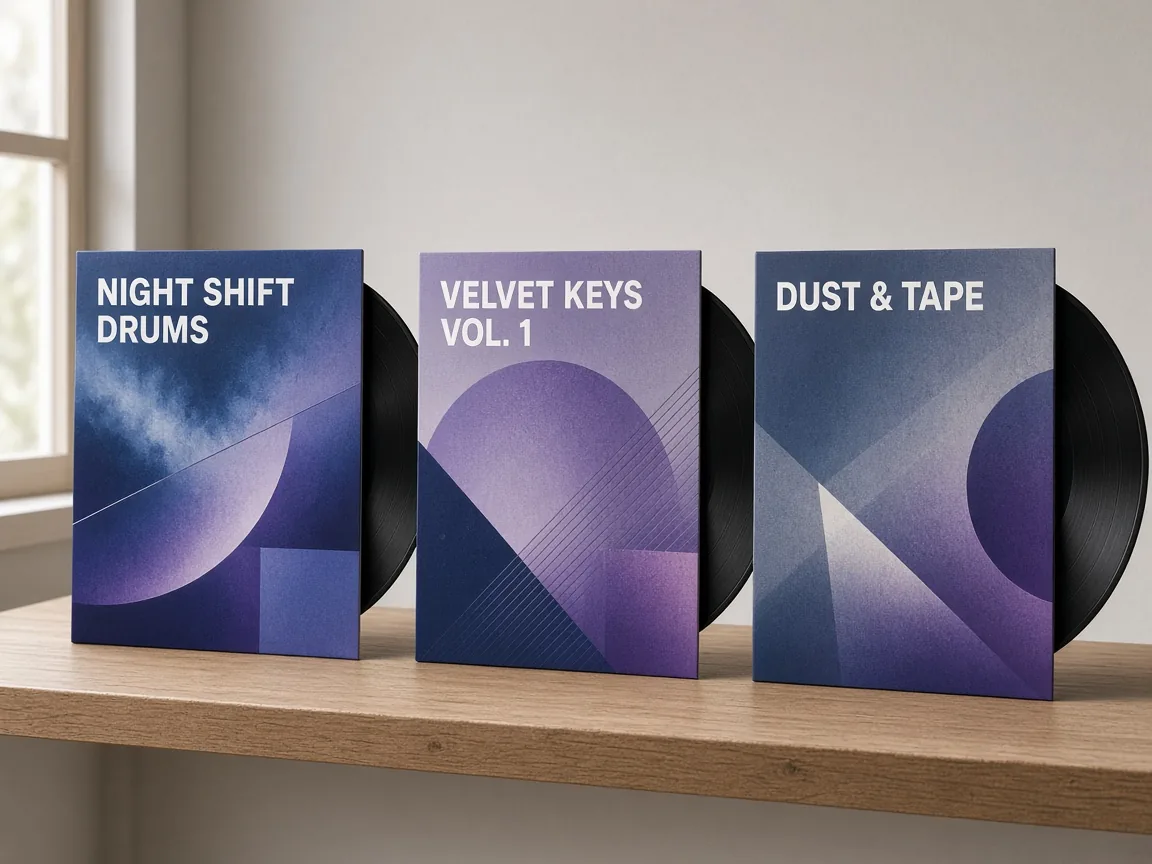
"Lo-fi drums" is a category. "Dusty swung drums tracked through a cassette deck, made for 80-90 BPM" is a sound. Specific packs are harder for a library or a generator to replace, and easier for the right buyer to say yes to.
They show the sound being used
They post shorts flipping a loop into a beat, stem breakdowns, and "making a beat with only this kit" videos. The content and the product are the same thing seen from two angles.
They own the relationship
They collect emails, sell from their own store, and launch every new pack to people who already bought the last one. A marketplace can bring a stranger once. Your list brings back a fan every time.
How to sell sample packs in 2026: a step-by-step plan
Here's the process we'd follow if we were starting from zero today.
1. Pick a sound you can own
Start from your music, not from what's trending on a library's front page. Ask:
- What do people comment on in my tracks or beats? The drums? The chords? The vocal chops?
- Which genre and tempo range do I actually work in?
- Could someone describe my sound in one sentence?
Write that sentence down. It becomes your pack title, your description and the hook of every video. If you can't write it yet, make more music first. That's not a detour, it's the marketing.
2. Build a pack people can use in five minutes
Producers buy packs to finish tracks faster. Make that easy:
- Curate hard. Fewer, better sounds beat a bloated folder. Cut anything you wouldn't use yourself.
- Formats. Deliver high-quality WAV files, and add MIDI for melodic loops so buyers can re-voice them. If you design synth sounds, presets can be a separate product or an add-on.
- Naming and folders. Put BPM and key in loop file names and sort by type (drums, melodies, bass, FX). Messy naming is one of the fastest ways to get refund requests.
- Something only you can give. A stem breakdown, a project file, or a short "how I made this loop" video. That's the part no library includes.
For the full production checklist, read how to make a sample pack producers actually want to buy.
3. Write clear, royalty-free license terms
A careful producer won't put your sounds in a release without knowing what's allowed. Include a short license file in every download that covers:
- Allowed: using the sounds in their own music, released commercially, without paying you royalties.
- Not allowed: reselling or sharing the raw sounds, alone or inside another pack or library.
- AI: whether the sounds may be used to train AI models. Say it explicitly either way.
- Credit: required or optional.
- Contact: an email for license questions.
Only sell sounds you made and have the rights to. "Royalty-free" doesn't mean copyright-free, and lifting audio from records or other packs means you need permission from the rights holders; APRA AMCOS explains how sample clearance works. If you use AI tools in your process, keep in mind that the U.S. Copyright Office has said material generated entirely by AI, without enough human authorship, isn't protected by copyright (Copyright and Artificial Intelligence, Part 2). That matters if your license promises buyers you own what you sell. This isn't legal advice; get a music lawyer to review your terms once your catalog grows.
4. Make demos that sound like a record
Your demo is your product page. A demo that's just loops played one after another tells buyers nothing. Instead:
- Make one or two short, finished-sounding beats using only the pack.
- Add audio previews of the key loops and one-shots so buyers can hear what's inside.
- Show the folder structure in a screenshot or list, so buyers know exactly what they get.
5. Price for the buyer who wants your sound
Don't price against a subscription library. You'll lose that race, and you don't need to win it. Your buyer isn't comparing your kit to a million generic sounds; they're deciding whether they want your sound. Price by usefulness and exclusivity, give a reason to buy the bigger bundle, and run launch pricing for your list rather than permanent discounts. Our sample pack pricing guide walks through tiers and bundles in detail.
6. Sell from your own store, use marketplaces for discovery
Marketplaces and libraries can put your sounds in front of strangers. That's useful, but they own the buyer, the email address and the next sale. Your own store is where the relationship lives.
A setup that works for many sellers:
- Use marketplaces or free samplers as discovery, with your store in your profile and descriptions.
- Sell the full packs, bundles and anything exclusive from your own store.
- Send every buyer from content to your store, not to a third-party listing.
We compare the main options in where to sell sample packs online. If you go the own-store route, Roqstar is built for exactly this: you're the seller, buyers pay you directly through your own Stripe or PayPal account, and paid plans charge 0% transaction fees on your sales. Every plan includes 25+ free themes, so your store can look like your brand rather than a generic product grid.
7. Build a content engine (the part most sellers skip)
LDreTv's experience is the clearest lesson in this whole topic: when the tutorials stopped, pack sales slowed. Content isn't extra work on top of selling packs. It is how packs get sold now.
A simple weekly rhythm:
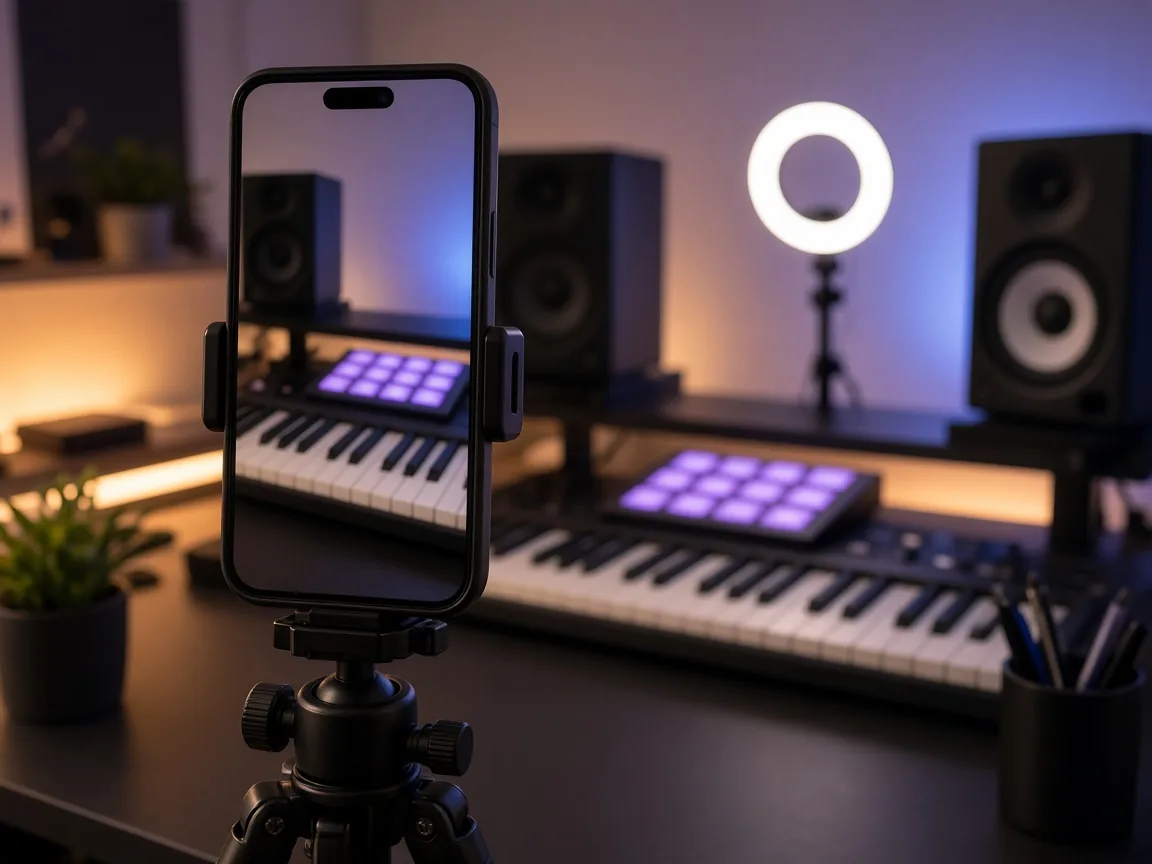
- Shorts: one loop from the pack flipped into a beat in under 60 seconds. Show the screen and the result.
- Breakdowns: "how I made this drum loop" or "3 ways to use this melody" on YouTube.
- Stems and before/after: play the raw loop, then the finished beat. Buyers hear the value immediately.
- Batch it. LDreTv's own plan is to film a batch of shorts every Monday so he can stay consistent without burning out. Steal that.
Remember that many people scroll with the sound off, so put clear on-screen text on every clip ("Free loop in the description", "Made with Night Shift Drums"). For a bigger picture, read our guides on building an audience as a music producer and music producer marketing.
8. Turn buyers into a list
Every pack you sell should add a person to your email list. Then:
- Send a welcome email with a tip on using the pack.
- Share one new free loop or breakdown each month.
- Give your list early access and launch pricing on every new release.
This is where owning the store pays off. With Roqstar's email marketing, the buyers from your store are already your contacts, so you can email them about the next drop without exporting anything.
9. Add bundles, upsells and a course
A buyer who just got your drum kit is the most likely person to want your melody kit. Offer a bundle at checkout, or a small add-on such as the project file or a stem breakdown. If you can teach, package your process into a short course next to the pack. "Here's the kit, and here's exactly how I use it" is something no library offers. See how courses on Roqstar can sit right next to your packs.
10. Consider a membership with monthly drops
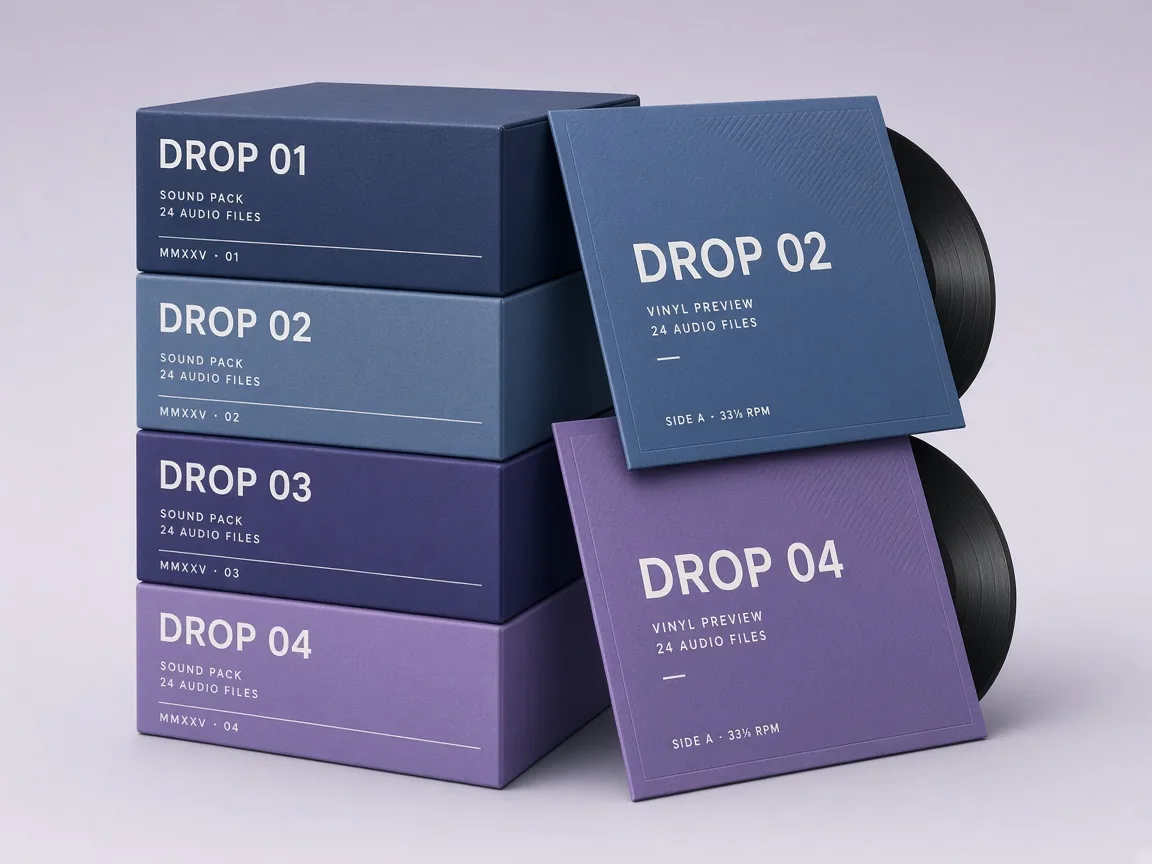
Here's the honest answer to the subscription-library problem: if your fans are happy to pay monthly for sounds, let them pay you monthly for your sounds. A membership can include:
- A new mini-kit or loop set every month.
- Stems and project files from your released tracks.
- Monthly breakdown videos and early access to full packs.
You don't need thousands of members for this to matter, and recurring income smooths out the boom-and-bust of pack launches. Memberships are available on every Roqstar plan; see selling memberships for how it works, and read when a vault membership beats one-off packs before you decide.
11. Plan the launch, not just the upload
Uploading a pack isn't a launch. A simple two-week plan:
- Two weeks out: post three or four clips using sounds from the pack. Collect emails with a free sampler.
- One week out: share the cover, the track list and a full demo. Tell your list the launch date and the launch price.
- Launch day: email your list first, then post everywhere. Pin the link.
- Launch week: post a breakdown video every day or two, answer every comment, and remind your list before launch pricing ends.
- After: add the pack to a bundle and keep making content with it. A good pack keeps selling as long as you keep showing it.
Mistakes that make packs look dead
- Selling sounds with no story. If nothing connects the pack to you or your music, it competes on price with everything else.
- Huge, uncurated folders. More files rarely means more value. It usually means more filler.
- Demos that aren't music. Buyers want to hear what the pack sounds like in a track.
- No license file. Uncertainty stops serious producers from buying.
- Only selling through third parties. No emails, no relationship, no launch audience next time.
- Going quiet after launch. Packs sell when they're shown being used, week after week.
- Uncleared or borrowed sounds. One rights problem can end a store.
FAQ
Are sample packs dead in 2026?
No. Anonymous, generic sample packs are struggling against AI sound tools and subscription libraries, but packs from artists with a distinct sound and an audience still sell. Buyers pay for a specific person's sound, not for another folder of generic one-shots.
Can you still make money selling sample packs?
Yes, but results depend on audience and specificity. Producers with music people know, regular content and an email list can launch packs profitably. Sellers with no audience and generic sounds usually struggle, whichever platform they use.
Is AI replacing sample packs?
AI tools are replacing some generic sounds, but they don't replace a specific artist's sound, their process or their breakdowns. Make your packs about what only you can provide, and state clearly in your license whether your sounds may be used to train AI.
Where is the best place to sell sample packs?
Use marketplaces and free samplers for discovery and your own store for full packs, bundles and memberships. Your own store lets you keep the buyer relationship and email list, so every launch starts with people who already bought from you.
Do I need a big following to sell sample packs?
You don't need a huge following, but you need some people who care about your sound. Start by posting music and short breakdowns consistently, collect emails with a free sampler, and launch your first pack to that list.
Should I sell sample packs or a monthly membership?
Do both if your audience supports it. One-off packs work for launches and new buyers; a membership with monthly drops, stems and breakdowns gives your most engaged fans a reason to pay every month and gives you steadier income.
Do sample packs need to be royalty-free?
Most buyers expect royalty-free terms, which means they can use your sounds in their own releases without paying ongoing royalties. Royalty-free doesn't mean copyright-free: you keep ownership and can forbid reselling, redistribution and AI training in your license.
The bottom line
Sample packs aren't dead. They've stopped being a commodity. The packs that sell in 2026 come from artists with a recognisable sound, sold through content that shows that sound in action, to a list of people the artist actually owns.
Make music people want to sound like. Show how you make it. Sell it from your own store. Then give your best fans a reason to come back every month.
Ready to sell your sound directly? Set up your store with your own payments, memberships, email and 25+ free themes. Start free trial - 30 days free, no card.